


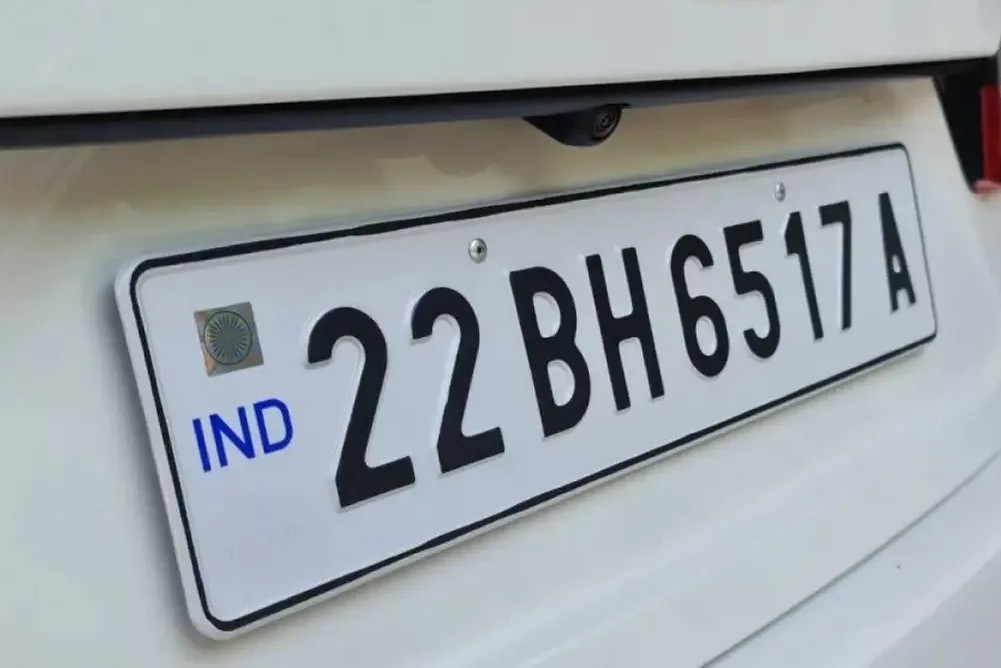
 The Gist: The BH (Bharat) Series registration was introduced to make interstate vehicle ownership seamless for people with transferable jobs. However, vehicle owners in Indore are reportedly facing challenges in transferring or converting BH Series vehicles due to eligibility conditions and procedural regulations. What was designed to simplify mobility is now raising questions about implementation.
Key Highlights
 BH Series was introduced to eliminate the need for vehicle re-registration when moving between states.
 Eligibility criteria and documentation requirements are creating hurdles for many vehicle owners.
 Transfer and conversion procedures are proving difficult in several cases.
 The scheme is currently limited to eligible government employees and employees of private companies with offices in four or more states.
Why It Matters
A policy created to simplify interstate mobility should reduce paperwork—not increase it. As Indore grows as a business and employment hub, smoother vehicle registration processes become increasingly important for professionals who frequently relocate.
The Story
The BH (Bharat) Series registration was introduced by the Ministry of Road Transport and Highways with a clear objective to allow eligible vehicle owners to move across states without the cumbersome process of obtaining a No Objection Certificate (NOC), re-registering the vehicle, and claiming road tax refunds.
The concept was widely welcomed, particularly by professionals in transferable jobs. Employees of the Central and State Governments, defence services, public sector undertakings, banks, and eligible private companies with offices in four or more states could benefit from a single registration valid across India.
However, reports indicate that many vehicle owners are encountering practical difficulties when transferring or converting vehicles under the BH Series. Eligibility verification, documentation requirements, procedural compliance, and regulatory interpretation have become points of concern for applicants.
While the scheme itself remains beneficial, implementation challenges can reduce the convenience it was intended to provide. Citizens often expect digital governance initiatives to simplify processes, reduce paperwork, and improve efficiency. When administrative complexities arise, the gap between policy intent and user experience becomes more visible.
As India’s workforce becomes increasingly mobile and cities like Indore attract professionals from across the country, demand for seamless vehicle registration systems is only expected to grow.
 Indore Talk Take
The idea behind the BH Series is progressive, it recognizes that careers today are no longer confined to one city or one state. But a good policy succeeds only when its implementation is as simple as its vision.
If eligible citizens continue to struggle with documentation, approvals, or procedural ambiguity, the objective of “One Nation, One Registration” remains only partially fulfilled. The next step should be to make the system more predictable, transparent, and citizen-friendly, so that mobility across India is enabled not just in principle, but in practice.
 Indore Talk | Beyond the Headlines, Into the City’s Story
Bringing you the developments, debates, and decisions shaping the future of Indore.