


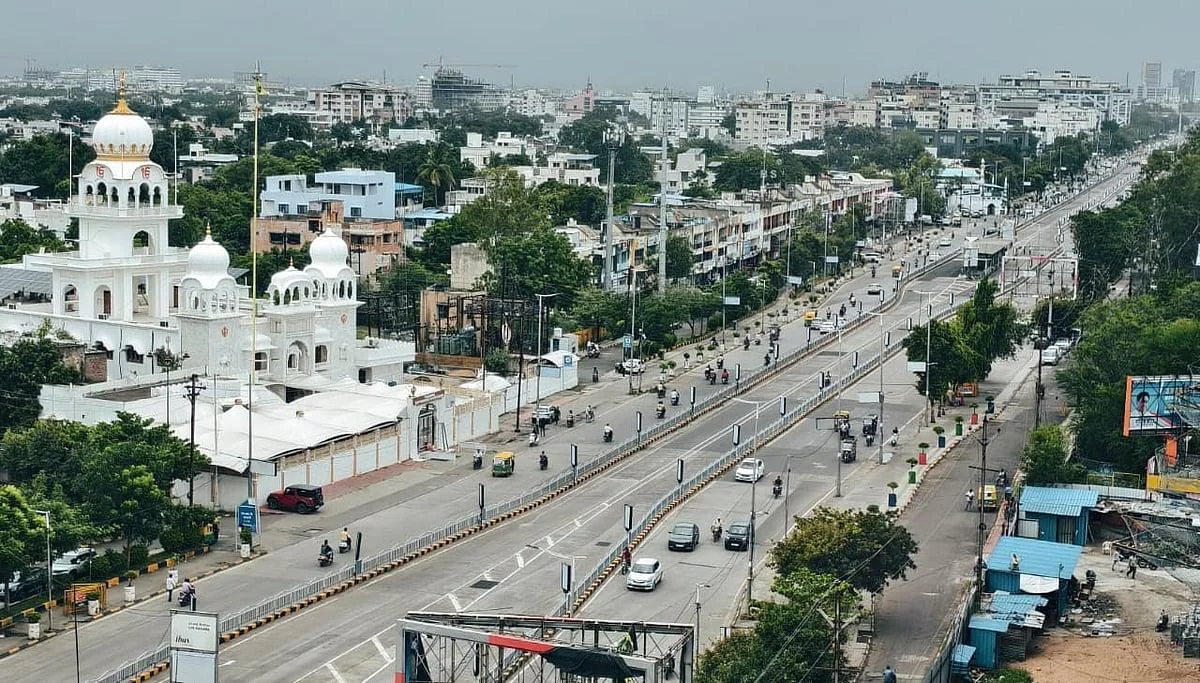
 The Gist: Infrastructure development is essential for a growing city, but poor project planning can turn progress into prolonged public inconvenience. A recent construction site in Indore remained barricaded for nearly two and a half months, with limited visible work despite occupying a major public road. The situation has once again sparked debate over whether infrastructure projects are being launched before they are fully prepared for execution.
Key Highlights
 A major construction site remained barricaded for nearly 2.5 months.
 Thousands of commuters faced daily traffic congestion, diversions, and delays.
 Only limited excavation work reportedly took place during the prolonged road closure.
 Questions are being raised about project planning, coordination, and execution.
 Experts believe better planning can significantly reduce public inconvenience during infrastructure development.
Why It Matters
Every infrastructure project promises a better future. But if planning is weak, citizens begin paying the cost long before they receive the benefits.
Time lost in traffic, fuel wasted in congestion, delayed emergency services, disrupted businesses, and increased air pollution are all hidden costs of poorly managed public works.
The Story
Cities cannot grow without construction.
Flyovers, metro corridors, bridges, drainage systems, and road widening projects are essential investments for a rapidly expanding city like Indore. Most citizens understand that temporary inconvenience is often part of long-term development.
However, inconvenience becomes frustration when progress appears to stop.
A recent construction site in Indore remained enclosed with barricades for nearly two and a half months. During this period, commuters navigated traffic diversions, bottlenecks, and daily congestion, while reports suggested that only limited excavation work had taken place.
The incident reflects a larger challenge that many Indian cities continue to face.
Too often, roads are blocked before utility shifting is complete, contractors are fully mobilized, permissions are finalized, or construction resources are available on site. The result is predictable, public roads remain occupied while visible progress remains minimal.
The economic cost of such delays extends far beyond the project budget.
Every additional day of congestion means thousands of litres of fuel consumed unnecessarily, increased vehicle emissions, reduced business productivity, delayed deliveries, and countless hours lost by commuters.
Infrastructure should improve urban efficiency not temporarily reduce it.
Urban planners increasingly emphasise that successful infrastructure is not measured only by engineering quality but also by construction management. Careful sequencing of work, coordinated execution between departments, transparent timelines, and effective traffic planning can dramatically reduce disruption without slowing development itself.
As Indore continues investing in flyovers, metro expansion, stormwater infrastructure, and road improvement projects, efficient project execution will become just as important as ambitious planning.
 Indore Talk Take
Citizens are not against development.
They are against avoidable inconvenience.
No one expects a flyover or Metro corridor to be built overnight. But every citizen has the right to expect that once a road is closed, meaningful work begins immediately.
Perhaps every major public project should follow five simple principles:
- Plan first, barricade later.
- Complete utility shifting before excavation begins.
- Display project timelines and weekly progress publicly.
- Ensure accountability for avoidable delays.
- Keep citizens informed through a real-time public project dashboard.
A smart city is not defined by the number of projects under construction, it is defined by how efficiently those projects are delivered.
Because infrastructure should create confidence in governance, not test the patience of the people it is meant to serve.
 Indore Talk | Beyond the Headlines, Into the City’s Story
Bringing you the developments, debates, and decisions shaping the future of Indore.