


⚡ The Gist
Indore’s food-safety system has raised a serious concern: one out of every eight food samples tested in the city has reportedly failed quality or safety standards.
The findings highlight potential problems ranging from adulteration and contamination to ingredients that do not meet prescribed food-safety standards. For a city known for its food culture, the numbers underline the need for stronger checks across restaurants, food outlets, manufacturers and street-food businesses.
The issue is not about questioning Indore’s food culture. It is about ensuring that what reaches the consumer’s plate is as safe as it is tempting.
The Story
Indore has built a strong identity around its food. From traditional street food to restaurants, cafes, bakeries and packaged-food businesses, the city’s food ecosystem serves thousands of consumers every day. But behind this vibrant food culture lies an important responsibility: food must meet basic safety and quality standards.
Recent testing of food samples collected from different parts of the city has reportedly found that around one in every eight samples failed testing. Such findings can indicate issues including adulteration, contamination, poor-quality ingredients or non-compliance with prescribed standards.
Food testing is particularly important because many violations cannot be identified simply by looking at or tasting a product. A food item may appear perfectly normal while still containing unsafe levels of contaminants or ingredients that do not meet regulatory requirements. The concern extends across multiple categories of food. Milk and dairy products, edible oils, spices, sweets, snacks, beverages and other commonly consumed products all require proper handling, storage and preparation.
For restaurants and food businesses, hygiene cannot stop at keeping the dining area clean. The entire chain matters from sourcing ingredients and maintaining storage temperatures to preventing cross-contamination, maintaining kitchen hygiene and ensuring that food is prepared in safe conditions.
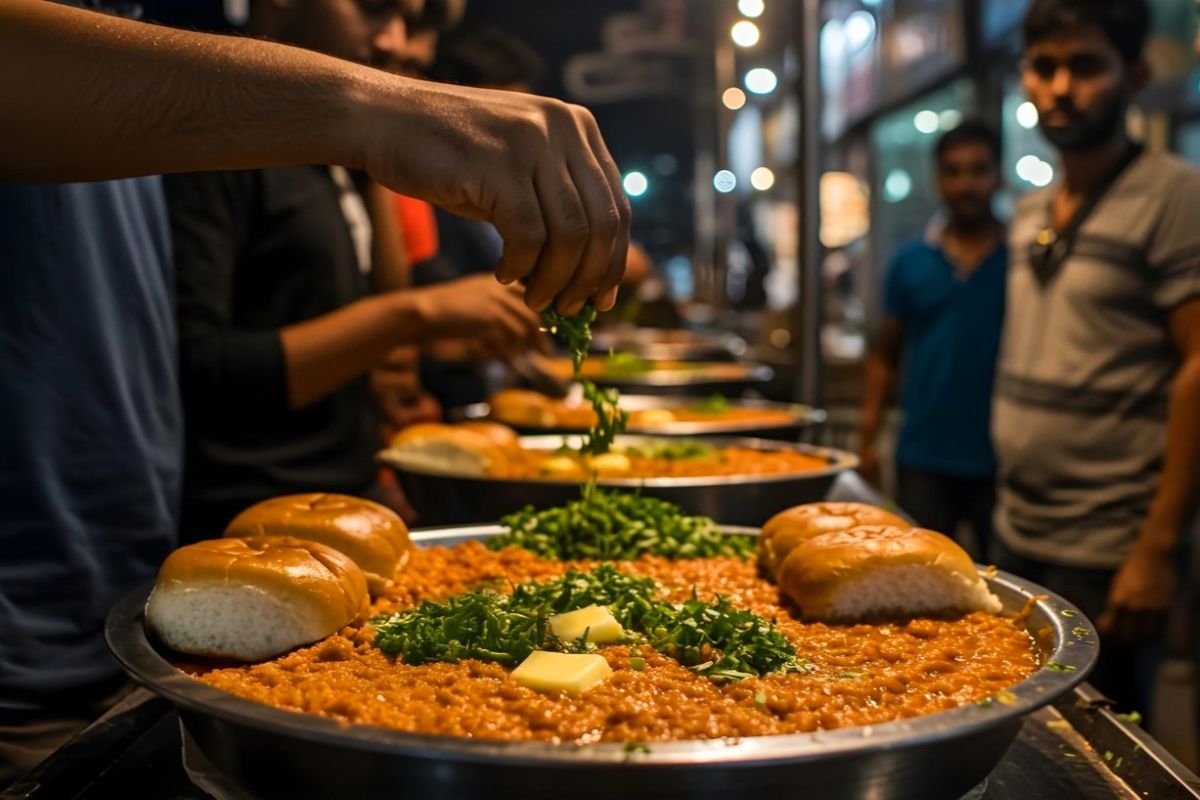
Street-food vendors face a similar responsibility. Indore’s street-food culture is one of its biggest attractions, but high customer volumes make hygiene practices even more important.
Consumers also have a role to play. Checking packaging dates, avoiding visibly unhygienic food outlets, reporting suspected adulteration and paying attention to food-storage conditions can help create greater accountability.
At the same time, enforcement agencies need to ensure that food testing is regular, transparent and followed by meaningful action wherever violations are established.
Random inspections and laboratory testing can act as a deterrent, but sustained improvement requires businesses to treat food safety as a basic operating requirement rather than something to worry about only when an inspection takes place.
For Indore, the objective should not simply be to identify how many samples fail.
The larger goal should be to make sure fewer samples fail in the first place.
🎙️ Indore Talk Take
Indore proudly calls itself a food city. That reputation comes with a responsibility. A great food destination cannot be judged only by taste, variety or popularity. Food safety has to be part of the city’s food identity.
One failed sample is a warning. One in eight is a signal that deserves attention.
The answer is not to create fear around eating out. It is to demand better standards from businesses, stronger enforcement from authorities and greater awareness from consumers. Because when it comes to food, taste is a choice, safety is not.