


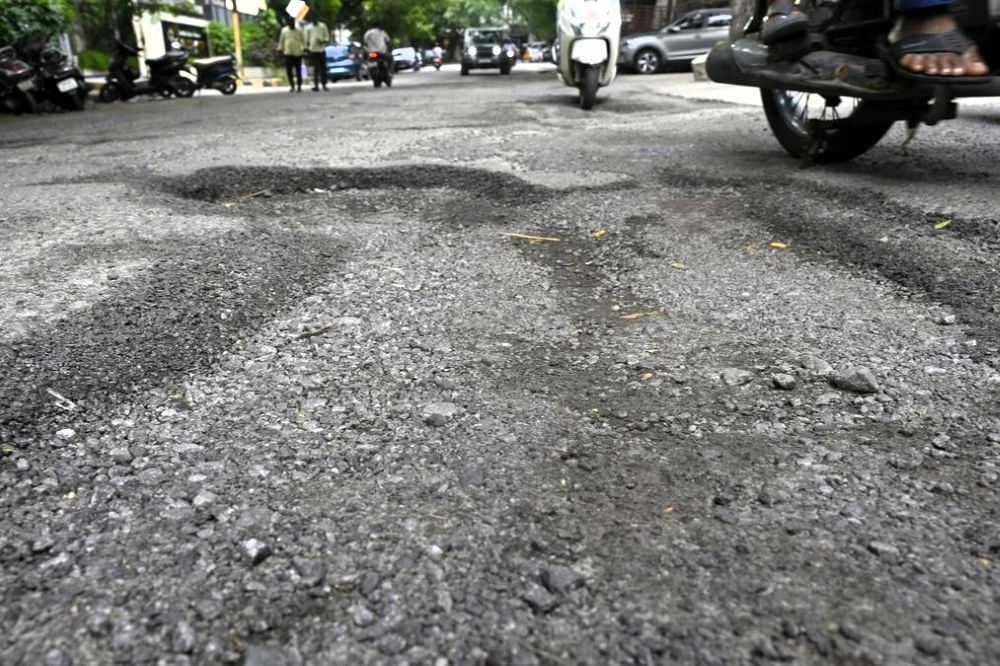
⚡ The Gist: Indore is building flyovers, Metro corridors and new infrastructure at a rapid pace, but the condition of several existing roads is raising a much more basic question Are we maintaining the roads we already have? Potholes, damaged stretches and poorly maintained roads are making everyday travel difficult and dangerous. Recent reports have highlighted how rain, ongoing infrastructure work and inadequate road maintenance are worsening conditions across the city.
For commuters, the cost isn’t limited to vehicle damage. Every bad stretch can mean slower traffic, sudden braking, accidents, fuel loss and, in the worst cases, loss of life.
The Story
Indore is often described as a rapidly developing city, and the list of infrastructure projects underway certainly supports that image. Metro construction, flyovers, road expansion and major urban projects are changing the city’s landscape. But underneath this development story lies a more basic civic problem: the condition of the roads people use every single day.
Across several parts of Indore, damaged roads and potholes have become a regular part of commuting. The situation becomes particularly difficult during the monsoon, when water fills potholes, hides damaged surfaces and makes it difficult for motorists to judge the depth and condition of the road ahead. Recent reporting has also linked deteriorating road conditions to rainfall and simultaneous Metro, flyover and drainage-related construction.
For a two-wheeler rider, a pothole is not simply an inconvenience. A sudden impact can cause a loss of balance. For a car driver, it can mean damage to tyres, suspension and other components. For everyone on the road, unpredictable potholes can trigger sudden braking, lane changes and collisions.
The bigger concern is what happens when damaged roads remain unattended for long periods. A pothole rarely becomes dangerous overnight. It starts small, gets filled temporarily, deteriorates again and eventually becomes part of the road itself. If inspections and repairs are delayed, the cost of fixing the problem and the risk to citizens both increase.
The problem becomes even more complicated when roads are simultaneously being excavated for infrastructure projects. Metro construction, drainage work, utility shifting and flyover projects may be necessary for Indore’s future, but every excavation creates an obligation to restore the road properly and quickly. A city cannot keep adding new infrastructure while allowing the existing road network to deteriorate.
There is also a question of accountability. Citizens pay taxes for roads to be built and maintained. When a dangerous road remains unrepaired despite repeated complaints, who is responsible? And when an accident occurs because of an obvious road defect, should it simply be treated as another unfortunate incident?
Road safety needs to move beyond slogans and enforcement. Speed limits, helmets and traffic rules are important, but a safe road itself is equally fundamental. A properly maintained road reduces the chances of sudden manoeuvres, vehicle damage and accidents.
Indore’s road network also needs a more preventive approach. Instead of waiting for potholes to become large enough to attract public attention, authorities should conduct regular inspections, identify vulnerable stretches before the monsoon and establish clear timelines for repairs. Major construction agencies should also be required to restore roads to defined quality standards rather than leaving commuters with temporary patches.
The city is investing heavily in its future mobility. But the future cannot be built by ignoring the present.
A modern city is not judged only by the number of flyovers or kilometres of Metro under construction. It is also judged by whether a citizen can travel from home to work safely on an ordinary road.
🎙️ Indore Talk Take
A pothole may look small on a city map. But on a two-wheeler, it can become a life-changing danger. Indore needs new roads, flyovers and Metro infrastructure. But it also needs something less glamorous and equally important: maintenance. Before celebrating the next big infrastructure project, perhaps we should ask a simpler question: Are we taking care of the roads we already have?
Citizens should not have to choose between damaging their vehicles, losing hours in traffic or risking their lives simply because a road defect remained unattended. Development is not just about building more. It is also about maintaining what we have, fixing what is broken and taking responsibility before someone gets hurt. Because a city cannot call itself truly modern if its citizens have to navigate their roads like an obstacle course.