


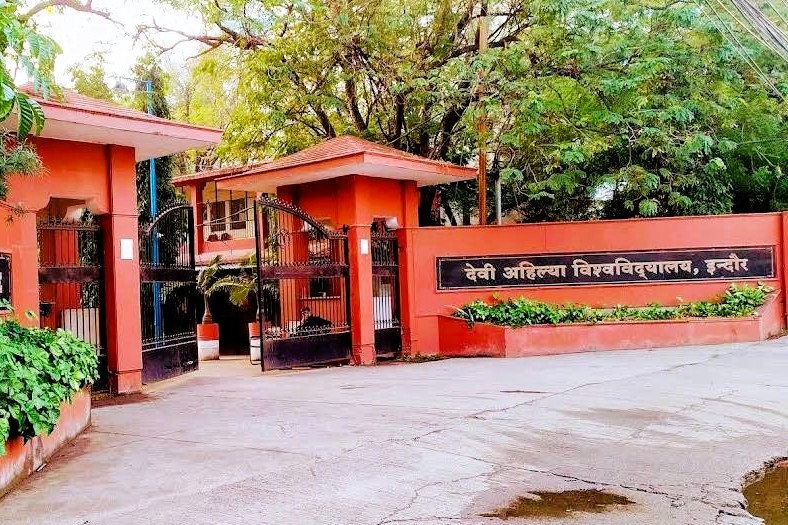
Devi Ahilya Vishwavidyalaya (DAVV), Indore, has increased its semester examination fees by 5% for the 2026–27 academic session. The revised rates, applicable to examinations beginning in November 2026, are expected to affect approximately three to four lakh students across its affiliated colleges.
What Will Students Pay?
Under the revised fee structure, the examination fee for students appearing in all subjects will be:
- Undergraduate (UG): ₹1,995
- Postgraduate (PG): ₹3,733
The university has separate fee rates for regular, private and ATKT students, depending on their examination requirements. The reported increase is expected to add approximately ₹60–₹90 to a student’s examination expenses.
Why Has DAVV Increased the Fees?
According to the university administration, examination fees had remained unchanged until 2024 to provide relief to students during the COVID-19 pandemic.
The university’s financial position subsequently changed when around 80 affiliated colleges moved out of DAVV’s jurisdiction following the establishment of Krantiveer Tantya Bhil University in Khargone. This affected examination-related revenue generated by approximately 80,000–90,000 students from those colleges. DAVV currently has around 180 affiliated colleges across Indore, Dhar and Jhabua districts.
A Small Increase, A Wider Impact
While the additional amount for an individual student may appear modest, the revision affects a large student population. For families already managing tuition fees, travel, accommodation and study materials, examination expenses remain an important part of the overall cost of education.
The change also highlights the financial challenges universities face when their revenue sources and institutional responsibilities change.
Indore Talk Academics Insight
An increase of ₹60–₹90 may seem limited at an individual level, but for students, every additional academic expense matters.
DAVV’s challenge is to balance its financial requirements with students’ affordability. At the same time, transparency around examination costs and the services supported by these fees can help students better understand such decisions.
The larger question is not just how much students pay for examinations, but whether rising education costs remain proportionate to the quality and efficiency of the academic services they receive.