


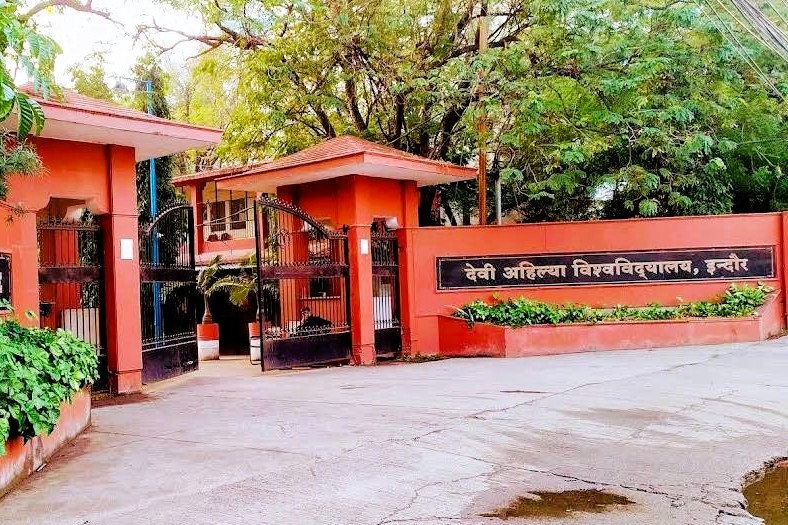
Indore’s worsening water situation is beginning to affect academic planning. Devi Ahilya Vishwavidyalaya (DAVV) is preparing to advance semester examinations and close hostels during summer vacation to reduce water consumption during the expected shortage.
The university’s contingency plan follows declining groundwater levels on campus, where two of its 16 borewells have dried up and six others are showing falling water levels.
Exams May Begin Earlier
DAVV is planning to advance December semester examinations to November 15, 2026, while examinations scheduled for April–May are targeted for completion by March 30, 2027.
To meet the revised schedule, departments have been asked to complete their syllabus before March. Additional classes are being conducted across 28 departments, and the semester break will be shortened to help the next academic session begin earlier.
Falling Groundwater Raises Concern
DAVV relies on 16 borewells to supply water to its campuses and residential facilities. Two have already dried up, while groundwater levels have declined in six others.
The situation is putting pressure on campus water storage. In some locations, overhead tanks require two to three rounds of filling, highlighting the strain on existing supplies.
Students to Vacate Hostels During Summer
The university plans to ask students to vacate hostels during summer vacation to reduce water demand when groundwater availability is expected to be at its lowest.
While this measure could help conserve water, it may also affect students who depend on campus accommodation. Clear communication and support for students who need alternative arrangements will therefore be important.
A Larger Warning for Indore
DAVV’s situation reflects a broader challenge facing the city after deficient monsoon rainfall. Water shortages are no longer only a household or municipal concern; they can also influence university schedules, accommodation and daily operations.
Indore Talk Academics Insight
When a university has to rearrange examinations and hostel schedules because of water scarcity, the issue goes beyond campus administration.
Water security is becoming an education issue, too.
DAVV’s plan may help reduce summer demand, but the larger challenge is building long-term water resilience through conservation, rainwater harvesting, groundwater recharge and responsible consumption.
The question for Indore is no longer simply how to manage water shortages when summer arrives. It is how to ensure that a basic resource does not disrupt the city’s everyday life including the education of its students.