


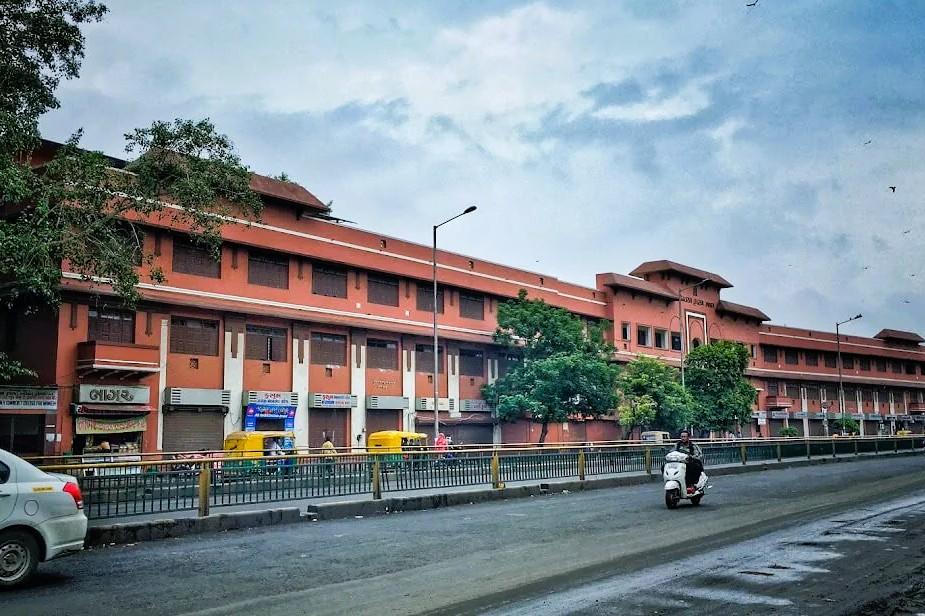
The Madhya Pradesh Higher Education Department has introduced stricter guidelines for private colleges, with the aim of improving educational quality, strengthening infrastructure and ensuring greater transparency. The new rules will apply from the 2027–28 academic session to new colleges, additional courses and faculties, and the continuation of existing institutions. Colleges violating the prescribed rules may face penalties of up to ₹5 lakh.
Applications to Move Entirely Online
Applications for establishing new private colleges, introducing new subjects and continuing existing programmes must be submitted through the department’s online portal.
Institutions will be required to upload land and building documents, notarised affidavits on e-stamp paper, supporting records and geo-tagged photographs. Online objections and complaints will also be accepted to improve transparency in approvals.
Strict Land and Infrastructure Requirements
The guidelines prescribe minimum land and building standards for new colleges:
- Urban areas: At least 2 acres of contiguous, undisputed land.
- Rural areas: At least 4 acres of contiguous, undisputed land.
- College building: Minimum built-up area of 10,000 square feet for up to two undergraduate faculties.
- Additional faculties: 3,000 square feet of extra built-up area for each additional undergraduate faculty.
- Postgraduate courses: An additional 1,000 square feet of built-up area.
Colleges must also provide adequate classrooms, equipped laboratories, libraries, a playground, parking, drinking water, separate toilets for male and female students, fire-safety equipment and facilities accessible to persons with disabilities.
Qualified Staff and Bank-Based Salary Payments
Private colleges must appoint qualified teaching and non-teaching staff, including a full-time principal and sufficient assistant professors for each subject.
Another important requirement is that salaries and allowances must be paid through bank accounts. Institutions will need to submit bank statements and relevant certificates as part of the application process.
What the New Rules Mean for Higher Education
The guidelines aim to ensure that colleges demonstrate adequate infrastructure, qualified staff and transparent administrative processes instead of operating primarily as degree-awarding institutions.
For students and parents, stronger compliance requirements could improve accountability and help create better learning environments. However, the actual impact will depend on effective inspections, consistent enforcement and timely processing of applications.
Indore Talk Academics Insight
Opening a college is not merely about securing approval and offering courses. It involves creating an environment where students can access qualified teachers, functional laboratories, libraries and essential facilities.
Madhya Pradesh’s new guidelines place greater responsibility on private institutions to meet these standards.
The real test will be whether stricter rules translate into better classrooms, stronger academic outcomes and greater accountability for students. A college’s credibility should ultimately be measured not just by the degrees it offers, but by the quality of education it delivers.