


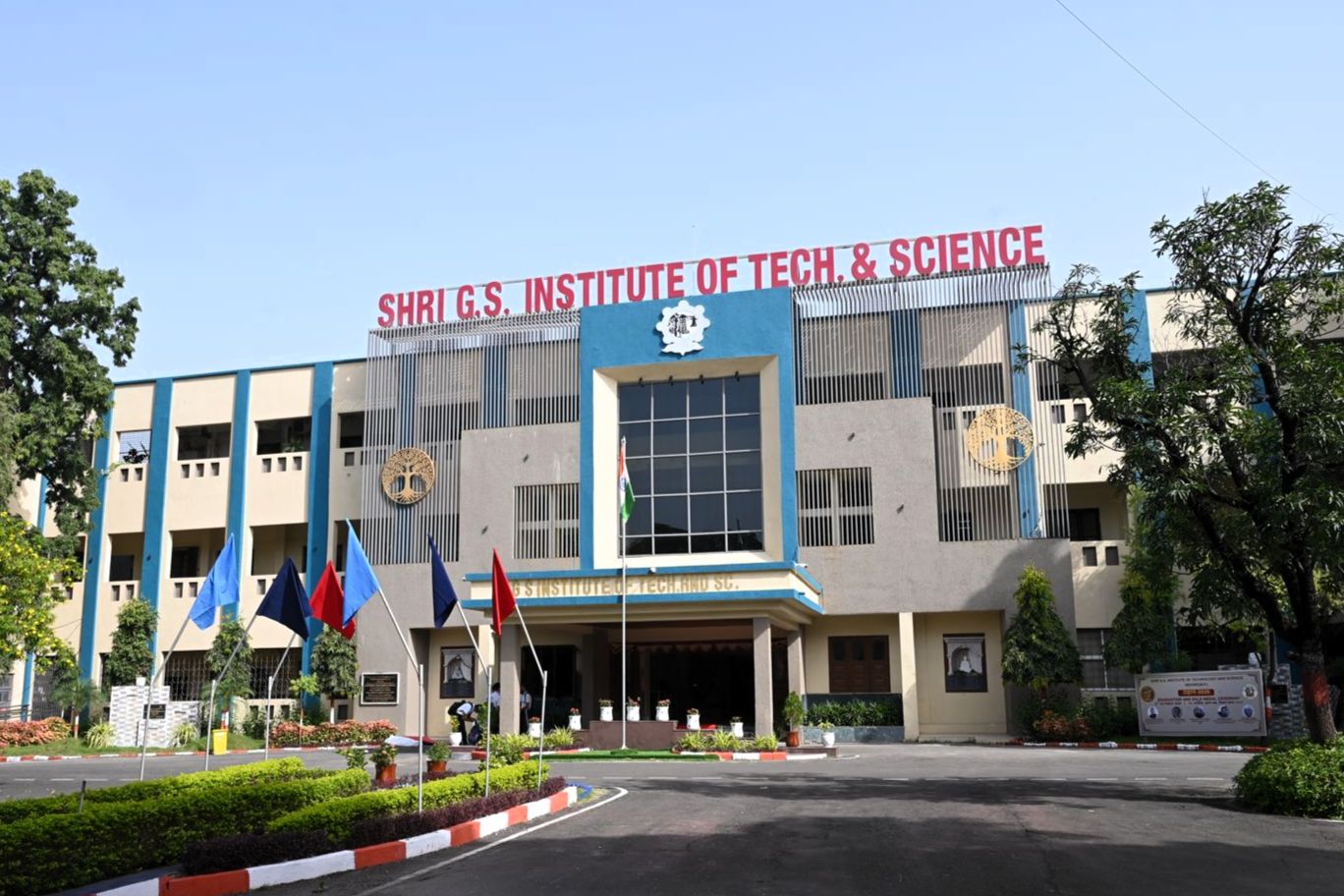
In a significant step toward promoting technical education in regional languages, Shri Govindram Seksaria Institute of Technology and Science (SGSITS), Indore has introduced a Hindi-medium B.Tech in Civil Engineering from the 2026–27 academic session. The initiative aligns with the vision of the National Education Policy (NEP) 2020, which encourages higher education in Indian languages to make learning more inclusive and accessible.
The institute has received approval to offer 30 additional seats for the Hindi-medium programme alongside the existing 90 English-medium seats, taking the total intake for Civil Engineering to 120 students.
Breaking the Language Barrier
The new programme is designed to help students, particularly those from Hindi-medium schools and rural backgrounds, pursue engineering without language becoming a barrier to learning. Over the past four years, SGSITS has worked on translating AICTE-approved engineering textbooks into Hindi and training faculty members to effectively teach technical subjects in the language.
The state government has also announced an incentive of ₹2 lakh for students who complete the entire Civil Engineering programme in Hindi, encouraging more students to opt for the course.
A New Direction for Technical Education
While English continues to be the dominant language in engineering education, initiatives like this aim to ensure that talented students are not held back because of language limitations. The programme seeks to improve accessibility while maintaining the same academic standards and technical curriculum as the English-medium course.
Indore Talk Academics Insight
The introduction of a Hindi-medium B.Tech programme is more than a language initiative—it represents a shift toward making technical education more inclusive. If supported by quality study material, trained faculty, and strong industry exposure, such programmes can open new opportunities for students from diverse educational backgrounds while preserving the academic rigor expected of engineering graduates. As NEP 2020 continues to reshape higher education, multilingual learning could play an increasingly important role in expanding access to professional education across India.