


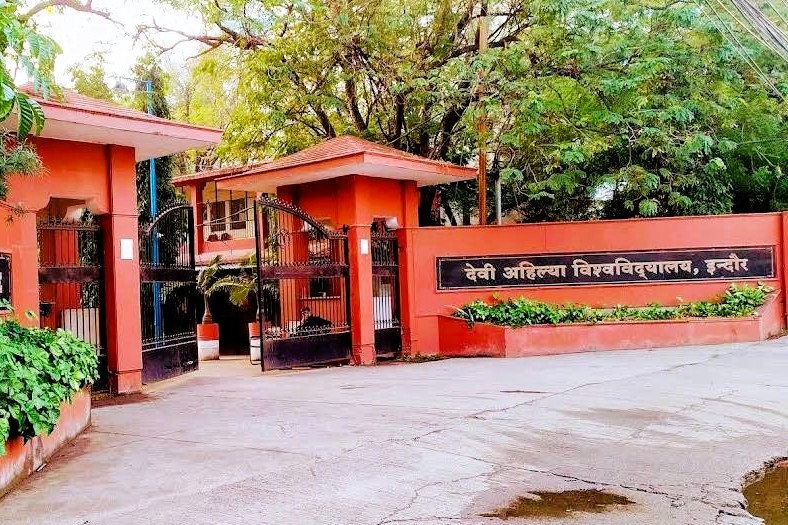
Devi Ahilya Vishwavidyalaya (DAVV), Indore, is planning to upgrade its traditional mark sheets with advanced security features to prevent forgery and make academic document verification easier.
Under the proposed system, students’ photographs and QR codes will be printed on mark sheets. Scanning the QR code will allow employers and educational institutions to verify the authenticity of a student’s academic details.
Four Layers of Security
DAVV is considering a four-level security system for its new mark sheets:
- Student Photograph: To establish the identity of the certificate holder.
- QR Code: To enable digital verification of academic records.
- Special University Monogram: A distinctive DAVV security mark.
- Embossed Watermark and Special Paper: To make duplication and tampering more difficult.
These features aim to make physical mark sheets more secure and reliable.
DigiLocker and ABC Integration Also Planned
The university is also exploring integration with DigiLocker and the Academic Bank of Credits (ABC).
This could allow students to access digital versions of their mark sheets more conveniently while enabling companies, universities and other institutions to verify academic credentials without relying entirely on physical documents.
Such integration would also support the broader shift towards digitally accessible and verifiable academic records.
Proposal Yet to Receive Approval
The new system is still at the proposal stage. DAVV will first invite proposals from agencies for implementing the security features. The plan will subsequently be presented before the university’s Executive Council for consideration.
The introduction of these features may also increase the cost of issuing mark sheets, potentially leading to a revision in the fees charged to students.
Indore Talk Academics Insight
Fake degrees and forged mark sheets undermine the credibility of educational institutions and create problems for genuine students.
DAVV’s proposed move towards photo-based identification, QR verification and digital integration could make academic credentials more secure and easier to authenticate.
However, technology must also bring convenience, not just additional costs.
The real success of this initiative will depend on whether students receive more secure, easily accessible and universally verifiable academic records without an unreasonable increase in their financial burden.