


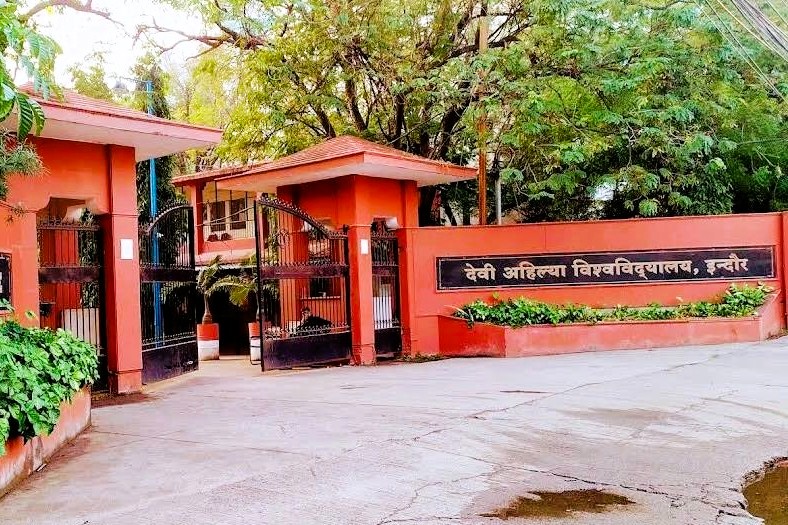
Devi Ahilya Vishwavidyalaya (DAVV), Indore, has taken a significant step towards making higher education more accessible for former Agniveers and military personnel. The university’s Executive Council has approved a decision to completely waive tuition fees for Agniveers who join any university course after completing their military service.
The decision is aimed at supporting personnel from the armed forces who wish to pursue higher education after completing their service and transition into their next phase of careers.
Agniveers to Get Tuition Fee Waiver
Under the decision, an Agniveer who takes admission in any course at DAVV after completing their service will not have to pay tuition fees.
The move is significant because many Agniveers transition to civilian careers or further education after their period of military service. By removing tuition fees, DAVV is creating an additional pathway for them to acquire academic qualifications and develop skills that can support their future employment and career plans.
The initiative also reflects a broader effort to make higher education more inclusive for those who have served in the country’s armed forces.
₹1.5 Crore for New Performing Arts Building
The university has also received substantial financial support for its newly established Performing Arts Department.
According to Vice Chancellor Dr. Rakesh Singhai, the Lord of Jain Patalia Trust has donated around ₹1.5 crore towards construction of the department’s new building. The funding will be used to develop infrastructure for the department and provide students with better facilities for learning and practice.
The development is particularly relevant as performing arts education requires specialised spaces and infrastructure for practical training, rehearsals, performances, and other academic activities.
Former Vice Chancellor S.M. Dasgupta to Be Remembered
The Executive Council has also approved a proposal to renovate an existing room/auditorium in the Electrical Engineering Department of the Institute of Engineering and Technology (IET) and name it in memory of former DAVV Vice Chancellor S.M. Dasgupta.
The proposal came from former students of the department, who wanted to create a lasting tribute to the former university head.
More Support for Students Facing Serious Illness or Disability
The university has also decided to review its existing system of financial assistance for students facing serious illnesses or disabilities.
A new committee will examine the existing provisions and consider whether the level of financial support should be enhanced. The possibility of incorporating insurance-related assistance into the support mechanism will also be explored.
This could strengthen the university’s student-support framework, particularly for students who face unexpected financial challenges during their academic journey.
Executive Council Members Donate Their Honorarium
In another notable gesture, members of the university’s Executive Council decided to donate their honorarium from the meeting to the Student Assistance Committee.
The contribution will support the university’s efforts to provide assistance to students who require financial or other forms of support.
What This Means for DAVV
The decisions taken by DAVV go beyond routine administrative approvals. The tuition-fee waiver connects military service with opportunities for continued education, while the Performing Arts building strengthens infrastructure for newer academic disciplines.
At the same time, the proposed expansion of student assistance indicates a greater focus on making higher education more supportive and accessible for students facing financial, health, or personal challenges.
Indore Talk Academics Insight
DAVV’s latest decisions highlight an important shift in the role of a modern university. Higher education is not only about classrooms, degrees, and examinations—it is also about creating opportunities for people at different stages of life.
For Agniveers transitioning from military service to civilian careers, a tuition-fee waiver can remove a significant financial barrier to higher education. Meanwhile, investment in Performing Arts and stronger student-support mechanisms shows how universities can expand beyond traditional academic priorities.
The real measure of an institution is not only how many students it graduates, but how many opportunities it creates for those who need them.