


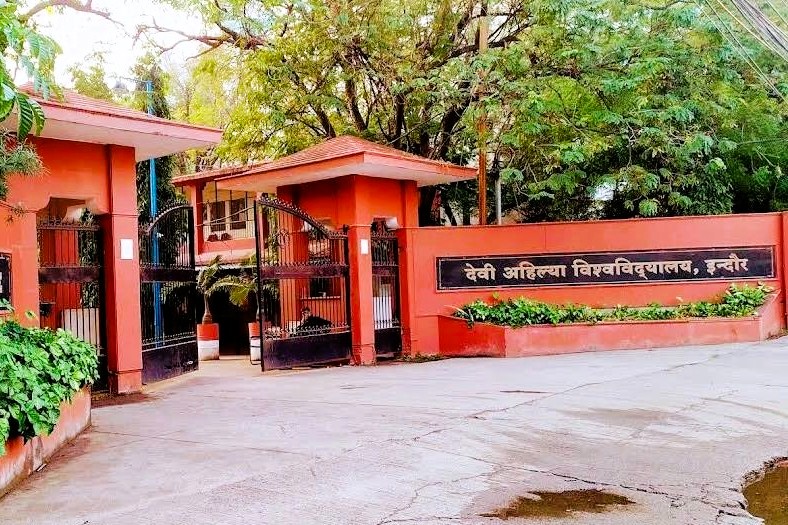
For students preparing for campus placements, good grades and technical skills have traditionally been the biggest focus. But at Devi Ahilya Vishwavidyalaya (DAVV), Indore, the definition of a placement-ready candidate is changing.
Companies visiting the campus are increasingly looking beyond academic performance and technical knowledge. Discipline, soft skills, participation in cultural activities and even a student’s background are now becoming part of the information recruiters may consider.
Marks Alone May No Longer Be Enough
According to DAVV’s Central Placement Cell, some companies are seeking detailed information about students before recruitment. This can include disciplinary action, police cases and other background-related information.
Companies may also conduct their own background verification before making a final hiring decision. The development indicates a wider shift in campus recruitment—from evaluating what a student knows to also assessing how the student conducts themselves.
For students, this means that academic excellence and professional behaviour now need to go hand in hand.
Why Companies Are Becoming More Careful
The increased scrutiny has also been linked to incidents of indiscipline on campus, including a ragging case reported at IET last year.
In that instance, some students whose names emerged in the incident had received job offers, but information about the matter was shared with the recruiting companies. Some of those students have reportedly not received joining opportunities so far.
Such incidents can influence how recruiters assess the risk associated with hiring candidates and can encourage companies to conduct more detailed background checks.
Soft Skills and Behaviour Matter Too
The change is not limited to police verification or disciplinary records.
Companies are also looking at soft skills, participation in cultural activities and overall student conduct. This reflects the reality of the workplace, where employees are expected to collaborate, communicate professionally and contribute to a healthy working environment.
A candidate may possess strong technical knowledge, but companies also need confidence that the person can function responsibly within a professional team.
Around Half a Dozen Companies Have Sought Detailed Information
DAVV placement officials said that around half a dozen companies have already sought detailed student information during the current placement cycle, including details related to disciplinary committee action and police cases.
The message from the university is becoming increasingly clear: even what may appear to be a relatively small disciplinary issue on campus can potentially affect a student’s professional journey.
Placement Activity Continues Strongly at IET
Despite the increased scrutiny, placement activity at IET remains active. So far this session, around 8–10 companies have visited the institute and offered jobs to more than 90 students. The selected students have received average annual packages of around ₹13–14 lakh, while two students have received packages ranging from ₹27 lakh to ₹32 lakh.
Placements at IMS, IIPS and other DAVV departments are expected to begin from October, with companies already seeking student information in advance.
DAVV has 32 departments and around 21,000 students, while its campus placement ecosystem typically involves approximately 180–230 companies. The university recorded a highest package of ₹72 lakh in 2025–26, according to the report.
The New Definition of a Placement-Ready Student
The development points towards a broader definition of employability.
A placement-ready student increasingly needs a combination of:
- Strong academic performance
- Technical and domain knowledge
- Communication and soft skills
- Professional behaviour
- Teamwork and adaptability
- Responsible conduct
- A clean and credible background
In other words, a degree may open the door, but behaviour can influence whether a student is trusted to walk through it.
Indore Talk Academics Insight
Campus life is often treated as a space where students can experiment, make mistakes and learn. But the boundary between campus behaviour and professional identity is becoming thinner.
Recruiters are not simply hiring marksheets, they are hiring people who will represent their organisations.
That makes discipline more than a college rule. It becomes part of career readiness.
For students, the lesson is straightforward: build your CGPA, sharpen your skills, improve your communication—but don’t underestimate the value of your conduct.
Because in an increasingly competitive job market, what you do outside the classroom may matter almost as much as what you achieve inside it.