


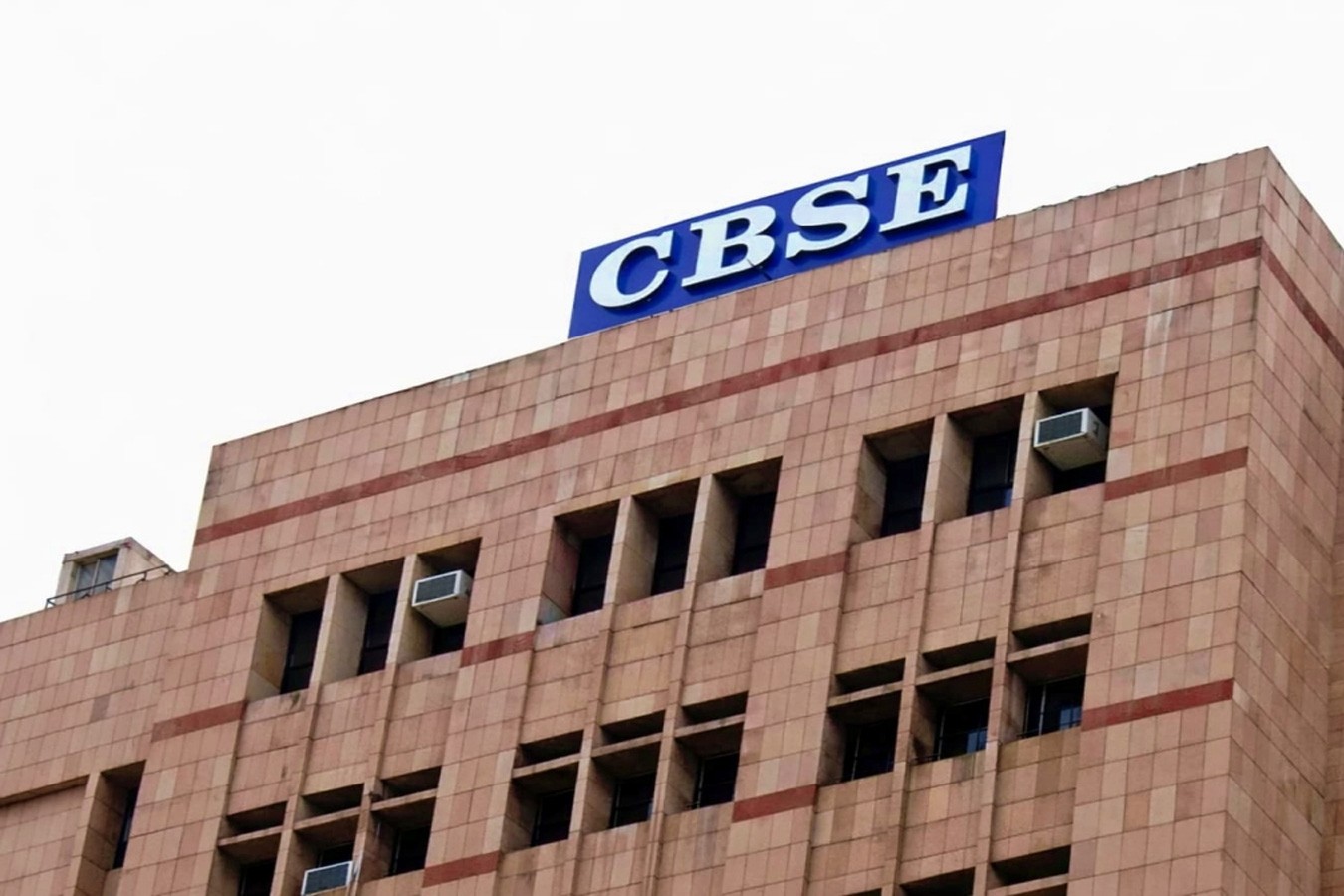
The Central Board of Secondary Education (CBSE) has introduced detailed guidelines for implementing the Three-Language Policy under the National Education Policy (NEP) 2020, bringing significant changes for students from Classes 6 to 10. While the policy aims to promote multilingual education and strengthen the use of Indian languages, CBSE has also announced several transitional relaxations to ensure that students already studying under the previous system are not academically disadvantaged.
If you’re a student or parent trying to understand who is affected by the new rules, here’s everything you need to know.
Why Has CBSE Introduced the Three-Language Policy?
The policy is based on the recommendations of NEP 2020, which encourages students to learn three languages, with at least two being Indian languages (Bhartiya Bhashas). The objective is to promote multilingual learning, preserve India’s linguistic diversity, and improve language proficiency from an early stage without increasing academic pressure.
Which Students Will Be Affected?
The implementation will happen in phases depending on the student’s current class.
Current Class 10 Students (2026–27)
Students already studying in Class 10 during the 2026–27 academic session will continue under the existing two-language system. They are not required to study a third language, and there is no change to their board examination pattern.
Current Class 9 Students (2026–27)
Students entering Class 9 must study three languages, with at least two Indian languages.
CBSE has also provided a one-time relaxation for students who had already chosen two foreign or non-Indian languages. Instead of changing their existing subjects, they can continue with them but must add one Indian language as the third language.
Will There Be a Board Exam for the Third Language?
No.
One of the biggest clarifications issued by CBSE is that there will be no Class 10 Board Examination for the third language (R3) for the current transition batches.
Instead, the third language will be evaluated through a school-based internal assessment. Students must successfully complete this assessment to receive the CBSE Secondary School Examination Pass Certificate, but they will not write a separate board paper for it.
What About Students in Classes 6, 7 and 8?
The policy will gradually extend to lower classes.
- Students currently in Classes 7 and 8 who have already started studying two non-Indian languages will also receive transitional relaxation and will need to add one Indian language when they move to secondary school.
- Students entering Class 6 and future batches will follow the full NEP framework from the beginning, studying three languages, with two of them being Indian languages. When these students reach Class 10, they are expected to follow the complete assessment framework applicable at that time.
What Languages Can Students Choose?
CBSE has clarified that schools may offer any language available in the Board’s approved list, provided the following condition is met:
- At least two languages must be Indian languages.
- A foreign language such as French, German, Spanish, or Arabic can be selected only if the remaining two languages are Indian, or it may be studied as an additional language.
Support for Schools
Recognizing that many schools may face challenges in implementing the policy, CBSE has introduced several temporary measures, including:
- Use of NCERT and state language resources.
- Flexible staffing arrangements.
- Inter-school teacher sharing through Sahodaya clusters.
- Virtual and hybrid teaching support.
- Engagement of retired language teachers and qualified postgraduates where required.
Who Is Exempt?
CBSE has provided exemptions for certain categories of students, including:
- Children with Special Needs (CwSN), as per the Rights of Persons with Disabilities Act.
- Students studying in CBSE-affiliated schools outside India.
- Foreign students returning to India under specified circumstances.
Indore Talk Academics Insight
The Three-Language Policy represents one of the most significant curriculum reforms under NEP 2020. While its long-term objective is to strengthen multilingual education and promote Indian languages, CBSE has adopted a phased implementation to minimize disruption for existing students. For parents and schools, the focus should now be on understanding the transition rules rather than worrying about immediate board examination changes. As the policy rolls out over the coming years, effective implementation, teacher availability, and quality learning resources will play a crucial role in determining its success.
Indore Talk Media Network, Central India’s first MediaTech & Content Network, powered by the combined strength of WEB, APP, SOCIAL MEDIA and soon in PRINT.
Everything About Indore, Now on WEB | APP | SOCIAL MEDIA
READ. WATCH. CONNECT.
 Download Indore Talk App
Follow us on Facebook | Instagram | YouTube | LinkedIn | X