


⚡ The Gist
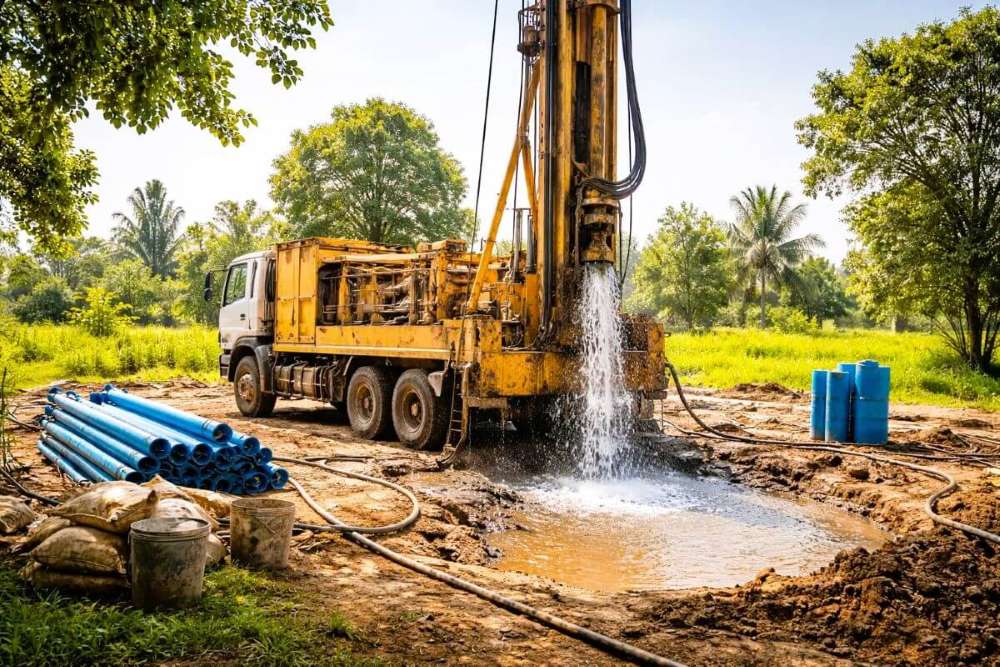
Indore may introduce restrictions on new borewells amid concerns over declining groundwater availability and underfilled ponds following a deficient monsoon.
The proposed move aims to prevent further pressure on groundwater reserves as the city prepares for the coming summer. However, the effectiveness of these restrictions will depend on implementation, groundwater monitoring and measures to improve rainwater recharge.
The Story
With several ponds remaining below their expected water levels after a weak monsoon, Indore is considering restrictions on new borewells to protect its groundwater reserves. The proposal comes at a time when the city’s growing water demand is putting additional pressure on its existing water resources.
Indore depends on a combination of Narmada water, local water bodies and groundwater to meet its needs. When rainfall is inadequate, ponds and reservoirs receive less inflow, while groundwater recharge may also fall short. This can create a difficult situation in the months following the monsoon, when water demand continues and stored reserves gradually decline.
The concern is particularly significant as the city expands. New residential colonies, commercial establishments, industries and infrastructure projects are increasing demand for water. Where municipal supply is insufficient or unavailable, households and businesses often depend on borewells.
However, groundwater is not an unlimited resource. When extraction continues faster than natural recharge, water levels can decline, making existing borewells less reliable and forcing users to drill deeper or seek alternative sources.
The proposed restrictions on new borewells are intended to limit additional pressure on these reserves. If implemented, the rules will need clearly defined conditions covering affected areas, permissions, exemptions and monitoring. Authorities will also need to address unauthorised drilling and ensure responsible use of existing groundwater resources.
But restricting new borewells alone cannot resolve Indore’s water challenge. Existing borewells can continue extracting water from stressed aquifers, while poorly maintained rainwater-harvesting systems prevent valuable rainfall from replenishing underground reserves.
The city therefore needs a coordinated approach. Rainwater-harvesting systems must be functional rather than merely installed on paper. Ponds and lakes need protection from encroachment, pollution and neglect. Recharge structures must be maintained, and large buildings and residential townships should reduce their dependence on groundwater wherever practical.
Better monitoring is equally important. Reliable information about groundwater levels, extraction rates and water demand across different localities can help authorities identify stressed areas and develop targeted conservation measures.
Residents and businesses also have a role to play. Repairing leaks, reusing suitable wastewater, harvesting rainwater and avoiding unnecessary consumption can collectively reduce pressure on the city’s water resources.
The decisions taken now will influence how prepared Indore is for the next summer and for future years of below-normal rainfall.
🎙️ Indore Talk Take
A restriction on new borewells may help slow groundwater extraction, but the long-term solution is to restore the balance between the water we take out and the water we put back.
Indore cannot keep expanding its demand while treating ponds, lakes and rainwater as secondary concerns.
Any borewell restrictions should be accompanied by transparent groundwater monitoring, effective rainwater harvesting, protection of natural water bodies and accountability for excessive extraction. Every borewell draws from a shared natural reserve. Every raindrop that escapes without being captured is a missed opportunity to replenish it.
The real question is not just whether Indore should drill fewer borewells. It is whether the city is ready to manage water as a limited resource before scarcity becomes a daily reality.