


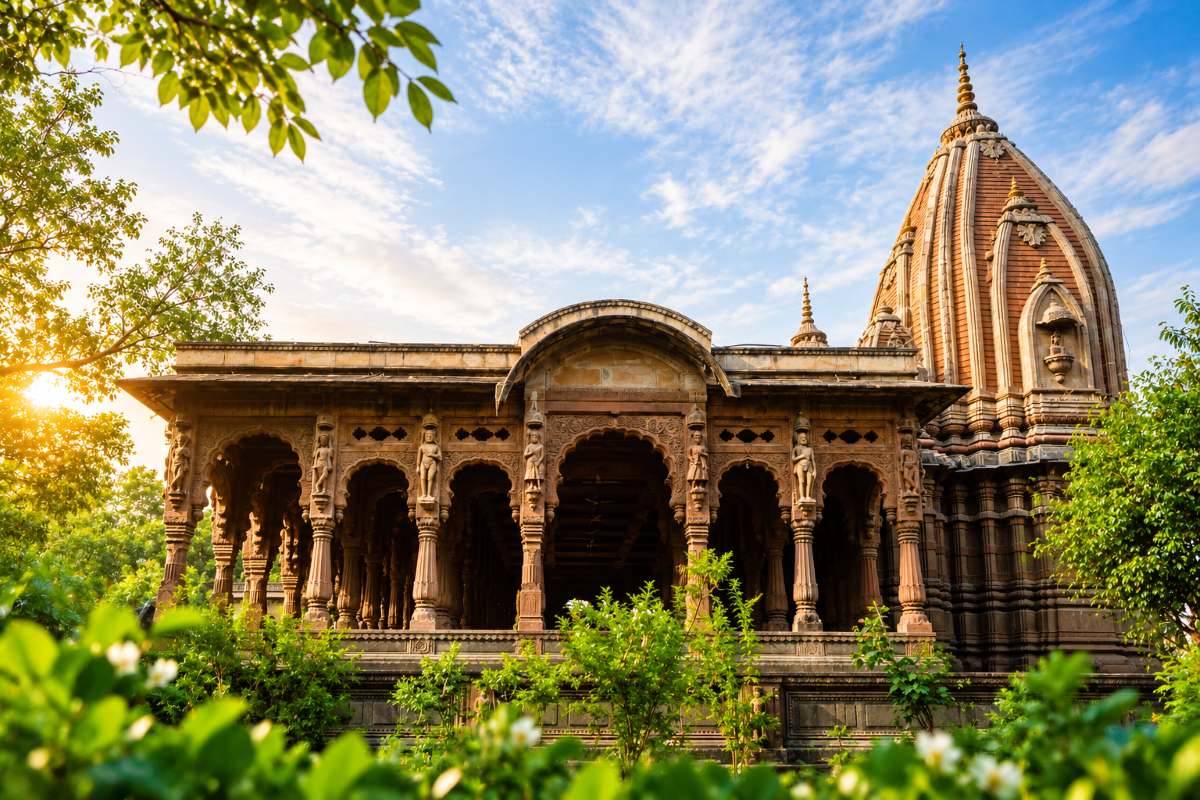
⚡ The Gist: After building a national reputation for cleanliness, Indore is now strengthening its position on another crucial front, cleaner air. In the Swachh Vayu Survekshan 2026, Indore has been recognised among India’s top-performing cities for efforts to improve air quality. The recognition reflects a multi-pronged approach covering road dust, greenery, construction waste, recycling and cleaner mobility.
But the bigger question is not where Indore ranks today. It is whether the city can make clean air a permanent urban standard rather than an annual achievement.
The Story
Indore’s latest recognition marks an important shift in the city’s environmental journey. Cleanliness has long been associated with sweeping roads and efficient waste management. Clean air demands something far more complex coordinated action across transport, construction, roads, industries, greenery and citizen behaviour.
One of the major focus areas has been road dust, a significant contributor to particulate pollution. Mechanical sweeping, CNG-powered cleaning equipment, water sprinkling and paving of road edges have been used to reduce dust being pushed back into the atmosphere.
The city has also expanded its green cover through plantation drives, green belts, parks and roadside greenery. These efforts matter not just for appearance but for creating a more resilient urban environment capable of absorbing some of the pressures created by rapid development.
Construction and demolition waste is another critical piece of the puzzle. Better enforcement of anti-dust measures, covering of construction material and scientific processing of debris can prevent large quantities of particulate matter from becoming airborne.
Indore’s waste-management ecosystem is also increasingly connected to its clean-air ambitions. Wet waste is being processed into cleaner fuel through bio-CNG initiatives, while construction waste can be converted into usable materials such as paver blocks and aggregates. The idea is simple: less waste going to dumpsites and more waste being put back into the economy.
Cleaner mobility is equally important. The expansion of electric buses, e-rickshaws, EV charging infrastructure and cleaner waste-collection vehicles can gradually reduce dependence on conventional fuels. For a rapidly expanding city like Indore, transportation will remain one of the biggest tests of its clean-air ambitions.
The recognition is therefore more than another award on the city’s shelf. It indicates that Indore’s environmental strategy is beginning to move beyond sanitation and towards urban air-quality management.
🎙️ Indore Talk Take
Indore has shown that a city can change its civic culture when administration and citizens move in the same direction. But clean air is harder to sustain than clean streets.
The real test will come during high-traffic days, construction booms, dry months and periods when pollution levels rise. A clean-air ranking should not become the destination, it should become the baseline.
Because the ultimate measure of a clean city isn’t how it looks in a survey. It is the quality of air its citizens breathe every single day.