


“Indore is no longer just expanding outward. The next phase of the city may be about building upward.”
Indore has grown rapidly over the last decade. New roads, expanding suburbs, emerging micro-markets and large-scale real estate development have transformed the city’s urban landscape. But as land becomes increasingly valuable and infrastructure pressure continues to rise, an important question emerges: Can Indore keep expanding outward forever?
According to Ratnesh Agrawal, Director of Param Rama Group, the answer may increasingly lie in vertical development.
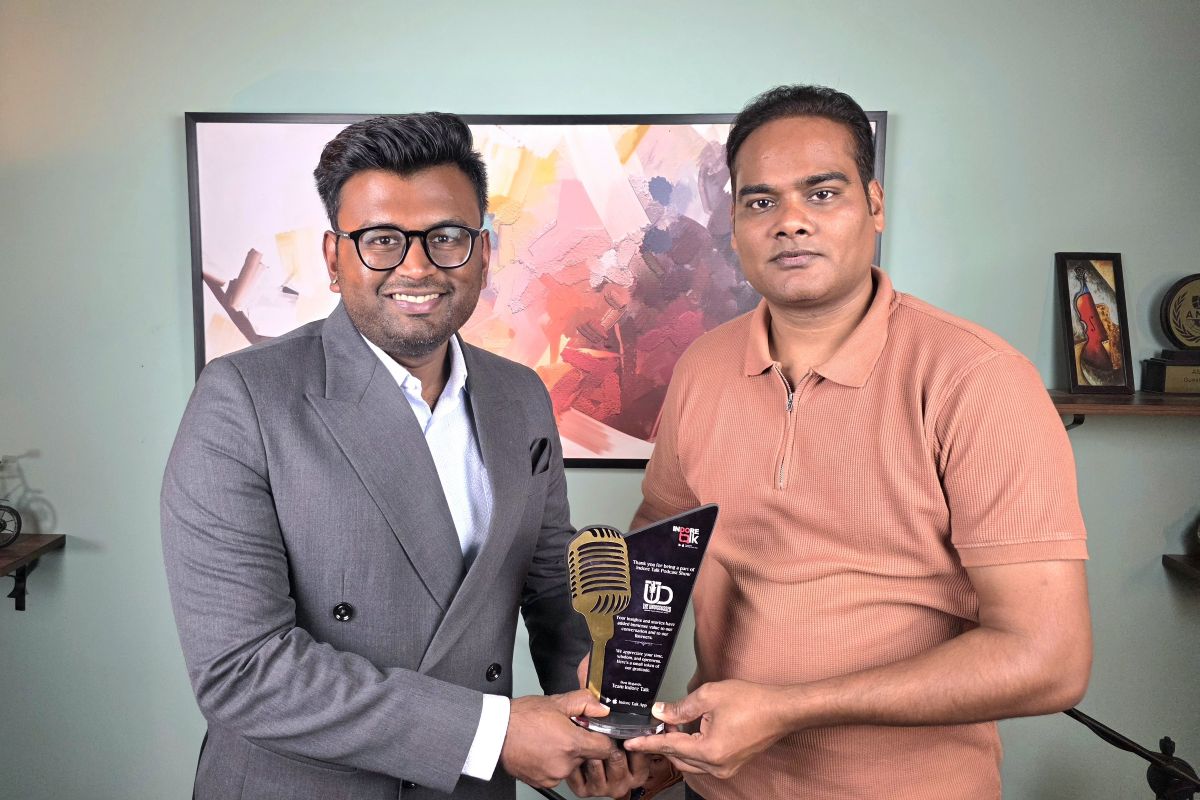
In his conversation on The Undiscussed Podcast, Agrawal discusses how the economics of land, changing housing preferences and the need to accommodate a growing urban population could push Indore towards a more vertical model of development.
The conversation begins with an unexpected personal journey from preparing for the IAS examination to eventually entering the world of real estate and buildership. His story offers an important reminder that careers rarely follow a perfectly planned path. Sometimes, an unexpected turn can become the foundation for an entirely different journey.
One of the most significant themes of the conversation is Indore 2.0.
As established parts of the city mature, redevelopment could become increasingly important. Instead of endlessly converting peripheral land into new development, existing urban areas can potentially be reimagined through better planning, higher-density projects and modern infrastructure.
This is where the concept of vertical living becomes particularly relevant. The discussion also raises an important question about housing affordability. Between ultra-luxury developments and basic housing, there is a significant segment of buyers looking for well-designed homes that are financially realistic. The “missing middle” in housing is therefore not simply a real estate opportunity, it is an urban planning challenge.
Rising EMIs, loan costs and household expenses make the question even more relevant: How realistic is the dream of owning a home for the average buyer?
The conversation explores Sanawadia as an emerging location for vertical living, with connectivity to highways, schools, hospitals and other urban infrastructure playing a central role. But the discussion goes beyond location advantages. Air quality, senior-friendly living, infrastructure capacity and the quality of the surrounding environment also need to become part of the conversation when evaluating new urban micro-markets.
Perhaps one of the most important takeaways is that real estate growth cannot be discussed separately from the environment.
As Indore expands, questions around land use, infrastructure, traffic, water, air quality and ecological impact become increasingly important. Development is necessary but the way a city develops determines the quality of life it creates. Indore’s next phase of growth may require a shift in mindset: from reacting to problems after they appear to planning for them before they become crises.
That means thinking beyond individual projects and asking bigger questions Where should Indore grow? How should it grow? Who should that growth serve? And what kind of city do we want to leave behind?
The conversation ultimately moves beyond real estate. It becomes a discussion about the future identity of Indore itself. Because a growing city needs more than buildings. It needs vision, planning, infrastructure and responsibility.
Listen To The Full Episode
Watch the complete conversation of The Undiscussed featuring Ratnesh Agrawal, Director of Param Rama Group, and explore the changing face of Indore real estate, vertical living, redevelopment, emerging micro-markets, infrastructure and the environmental cost of urban growth.
Because every story has an Undiscussed side.