


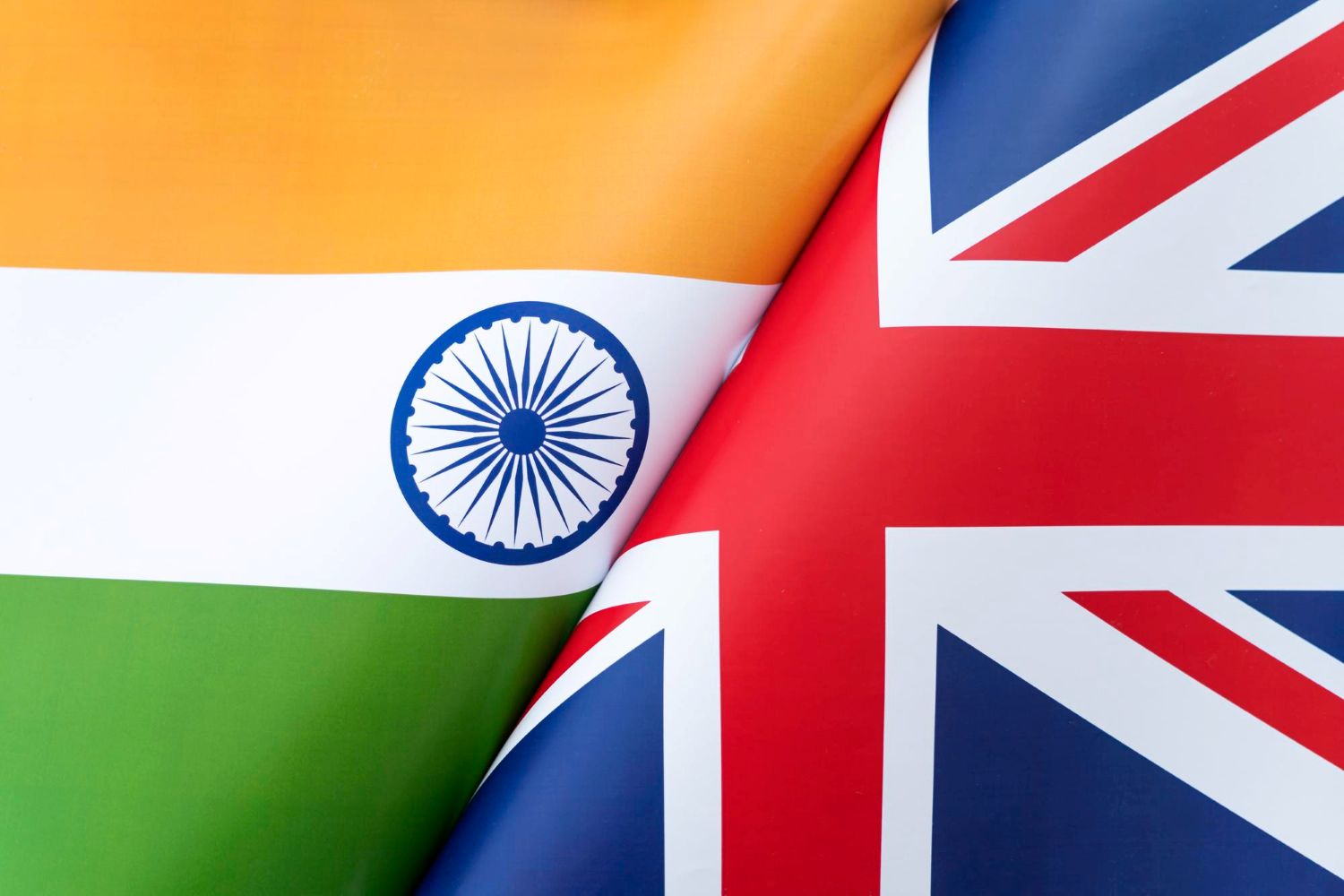
In one of the most significant trade developments in recent years, India and the United Kingdom are set to implement their historic Free Trade Agreement (FTA) from July 15, 2026. The agreement marks a major milestone in bilateral economic relations and is expected to boost trade, investment, and market access between the two countries.
According to the announced framework, India has agreed to reduce or eliminate tariffs on nearly 90% of products imported from the UK, creating a more competitive environment for British goods in the Indian market.
One of the biggest beneficiaries of the agreement will be the premium beverage segment. The import duty on Scotch whisky, currently among the highest in the world, will be reduced from 150% to 75% immediately, with a phased reduction to 40% over the next decade. Industry experts believe this could make premium Scotch brands significantly more accessible to Indian consumers.
The automobile sector is also expected to see major changes. Under a quota-based mechanism, tariffs on British cars and auto components will be reduced from 100% to 10%, potentially lowering prices for select premium and luxury vehicle brands.
Beyond whisky and automobiles, the agreement includes substantial tariff reductions on medical devices, cosmetics, aerospace components, wines, and food products. Import duties of up to 22% on cosmetics are set to be eliminated, which could lead to more competitive pricing and greater product availability in India’s retail market.
For businesses, the agreement represents more than just lower prices. It is expected to improve supply chains, encourage cross-border investments, strengthen manufacturing partnerships, and create new opportunities for exporters and importers on both sides.
The deal also signals India’s growing confidence in integrating with global markets through strategic trade partnerships. Businesses involved in retail, distribution, logistics, hospitality, automobiles, healthcare, and consumer products could witness new opportunities as international brands gain easier access to the Indian market.
However, the agreement may also intensify competition for certain domestic industries, making innovation, quality, and efficiency increasingly important for Indian businesses seeking to maintain market share.
As global trade dynamics continue to evolve, the India-UK FTA highlights India’s growing role in international commerce and its strategy of building stronger economic partnerships with major global markets.
The bigger question is whether lower tariffs will simply make imported products cheaper—or whether this agreement will become a catalyst for greater investment, innovation, and economic growth in India.