


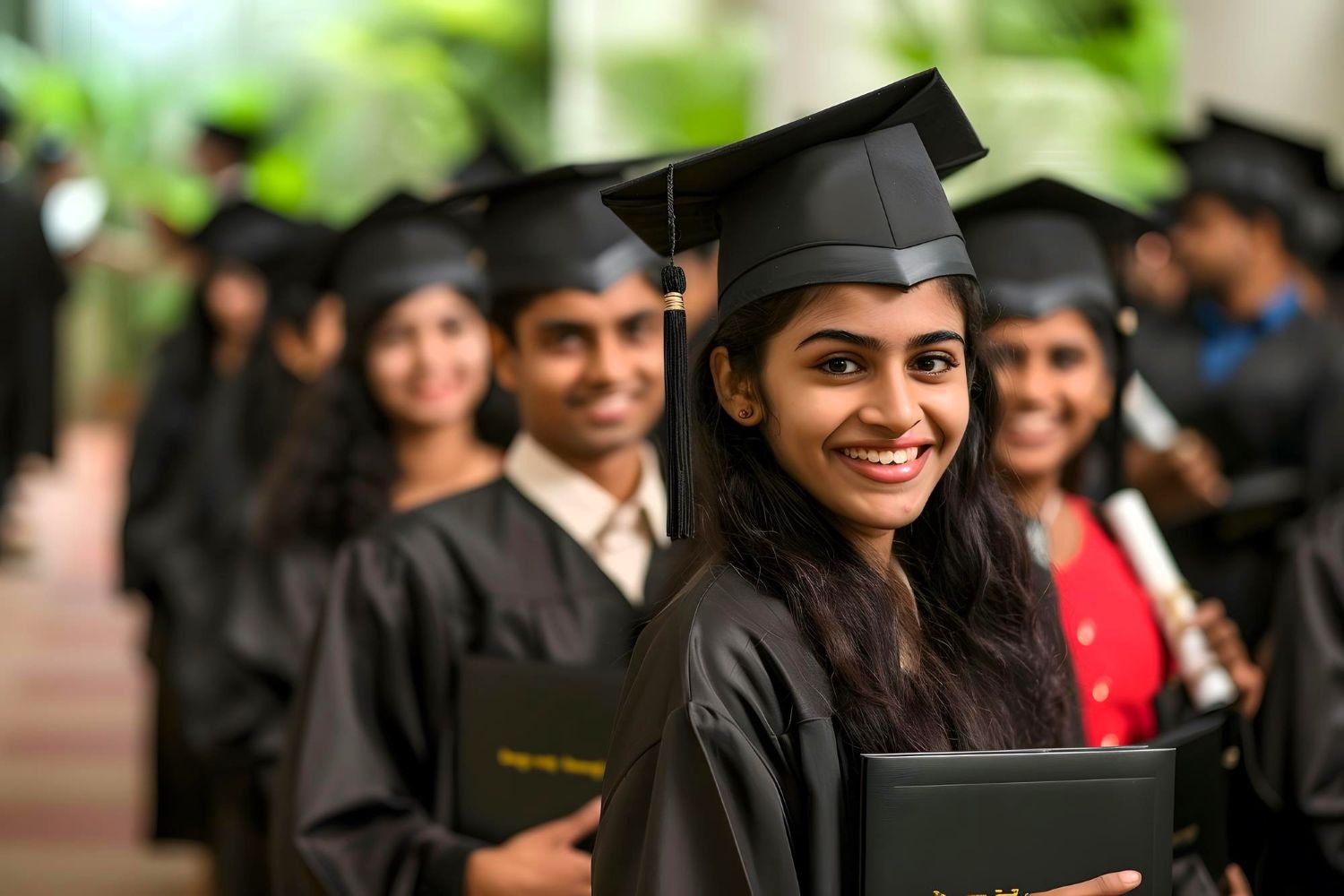
Students aspiring to pursue professional and technical education in Madhya Pradesh may soon have greater flexibility in planning their academic journey. A major change is being introduced in the admission process for AICTE-affiliated courses, allowing admissions to take place twice a year instead of only once.
Under the new system, admissions for key programs such as BE, B.Tech, BBA, MBA, B.Planning, and several other AICTE-approved courses will be conducted in both the July and January academic sessions. The move aligns with broader efforts to make higher education more flexible, accessible, and responsive to evolving industry requirements.
Traditionally, students who missed an admission cycle often had to wait an entire academic year before getting another opportunity. The new biannual admission model is expected to eliminate this challenge, enabling students to join courses sooner and reducing academic delays.
Education experts believe the change could significantly improve the utilization of institutional resources while creating a more dynamic academic ecosystem. Universities and colleges will have the opportunity to accommodate a larger number of students throughout the year, while learners will benefit from multiple entry points into higher education.
The new system may also positively impact placements and industry engagement. With staggered admission and graduation cycles, institutions could potentially create stronger alignment between academic programs and recruitment requirements, helping students become more job-ready.
Another important advantage is flexibility for students transitioning between courses, recovering from academic setbacks, or returning to education after a break. The model is expected to support diverse learning pathways and make higher education more inclusive.
Globally, multiple admission cycles are common across leading universities and professional institutions. By adopting a similar approach, technical and management education in Madhya Pradesh could become more aligned with international academic practices and the changing needs of modern learners.
While successful implementation will require careful academic planning, faculty management, and curriculum scheduling, the move is widely being viewed as a progressive step toward a more student-centric education system.
As education continues to evolve, flexibility is increasingly becoming as important as quality—and this reform could help bridge the gap between traditional academic structures and the expectations of today’s students.
Do you think twice-a-year admissions will make higher education more accessible, or could it create new challenges for institutions and students?
Indore Talk Media Network, Central India’s first MediaTech & Content Network, powered by the combined strength of WEB, APP, SOCIAL MEDIA and soon in PRINT.
Everything About Indore, Now on WEB | APP | SOCIAL MEDIA
READ. WATCH. CONNECT.
📲 Download Indore Talk App
📲 Follow us on Facebook | Instagram | YouTube | LinkedIn | X