


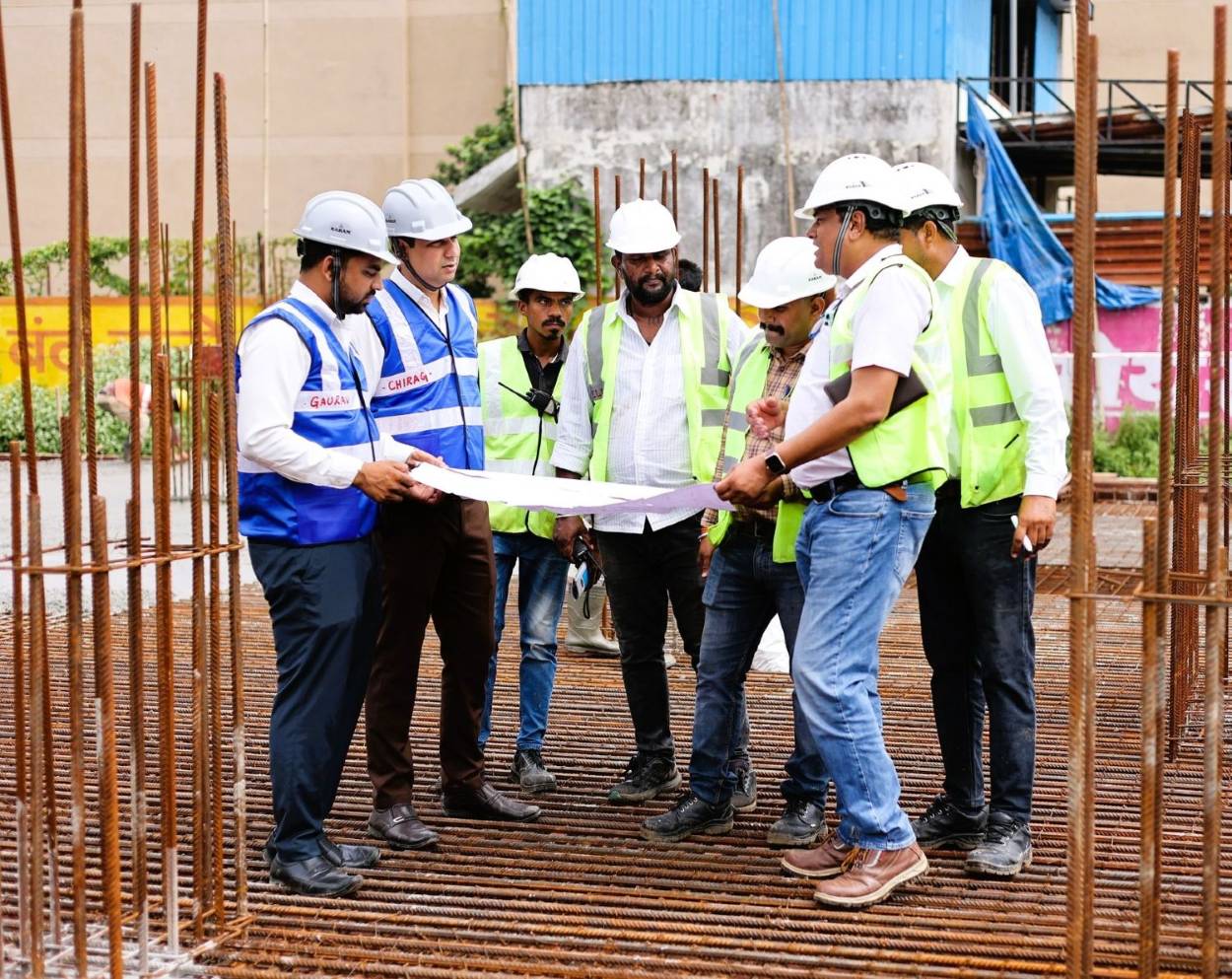
The construction sector is undergoing a significant transformation. Today’s clients are no longer looking for a contractor who simply executes a project. Instead, they are seeking trusted partners who can manage the entire construction journey—from planning and design to execution, project management, and final delivery.
This shift is creating opportunities for companies that can offer comprehensive, end-to-end solutions while maintaining quality, efficiency, and accountability throughout the project lifecycle.
The Growing Demand for Integrated Construction Partners
As projects become larger and more complex, coordinating multiple consultants, contractors, vendors, and agencies can often lead to delays, communication gaps, and cost overruns. To overcome these challenges, many developers, businesses, and institutions are increasingly preferring integrated construction partners capable of managing every stage of development under a single umbrella.
This model not only simplifies project execution but also improves accountability, streamlines decision-making, and enhances overall project efficiency.
Oness Infra’s Approach to Construction
Among the companies embracing this integrated approach is Oness Infra, an Indore-headquartered construction and infrastructure firm that provides end-to-end construction solutions across residential, commercial, industrial, and real estate sectors.
According to the company, its operations combine engineering expertise, project management, technology, and execution capabilities to deliver projects through a single coordinated framework. Over the years, the company has expanded its footprint across more than 30 cities and has delivered 500+ projects, covering over 25 lakh square feet of developed area.
Its multidisciplinary team includes engineers, project managers, architects, and construction professionals working together to ensure quality, safety, and timely project delivery.
A Diverse Portfolio Across Sectors
One of the key strengths of integrated construction companies is their ability to serve multiple sectors. Oness Infra’s portfolio spans a wide range of developments, including high-rise residential buildings, commercial complexes, hospitals, educational institutions, retail projects, industrial plants, warehouses, manufacturing facilities, luxury villas, and plotted developments.
This broad experience allows the company to apply best practices across different project categories while offering clients a single point of responsibility from concept to completion.
Technology is Reshaping Construction
Modern construction is increasingly being driven by technology and data-driven planning. Companies are adopting advanced project management systems, Building Information Modeling (BIM), engineering-led design processes, and digital monitoring tools to improve efficiency and reduce project risks.
Industry experts believe that technology-driven execution is becoming essential as infrastructure projects grow in scale and complexity. Better planning, real-time coordination, and process-based execution are helping companies deliver projects with greater precision and predictability.
The Future of Infrastructure Development
India’s rapid urbanization, growing infrastructure requirements, and expanding real estate sector are creating demand for construction partners that can provide comprehensive solutions rather than isolated services.
As clients increasingly prioritize efficiency, transparency, and accountability, the role of end-to-end construction companies is expected to become even more significant. By bringing design, engineering, project management, and execution together, these firms are helping simplify the journey from blueprint to reality.
Indore Talk Media Network, Central India’s first MediaTech & Content Network, powered by the combined strength of WEB, APP, SOCIAL MEDIA and soon in PRINT.
Everything About Indore, Now on WEB | APP | SOCIAL MEDIA
READ. WATCH. CONNECT.
 Download Indore Talk App
Follow us on Facebook | Instagram | YouTube | LinkedIn | X