


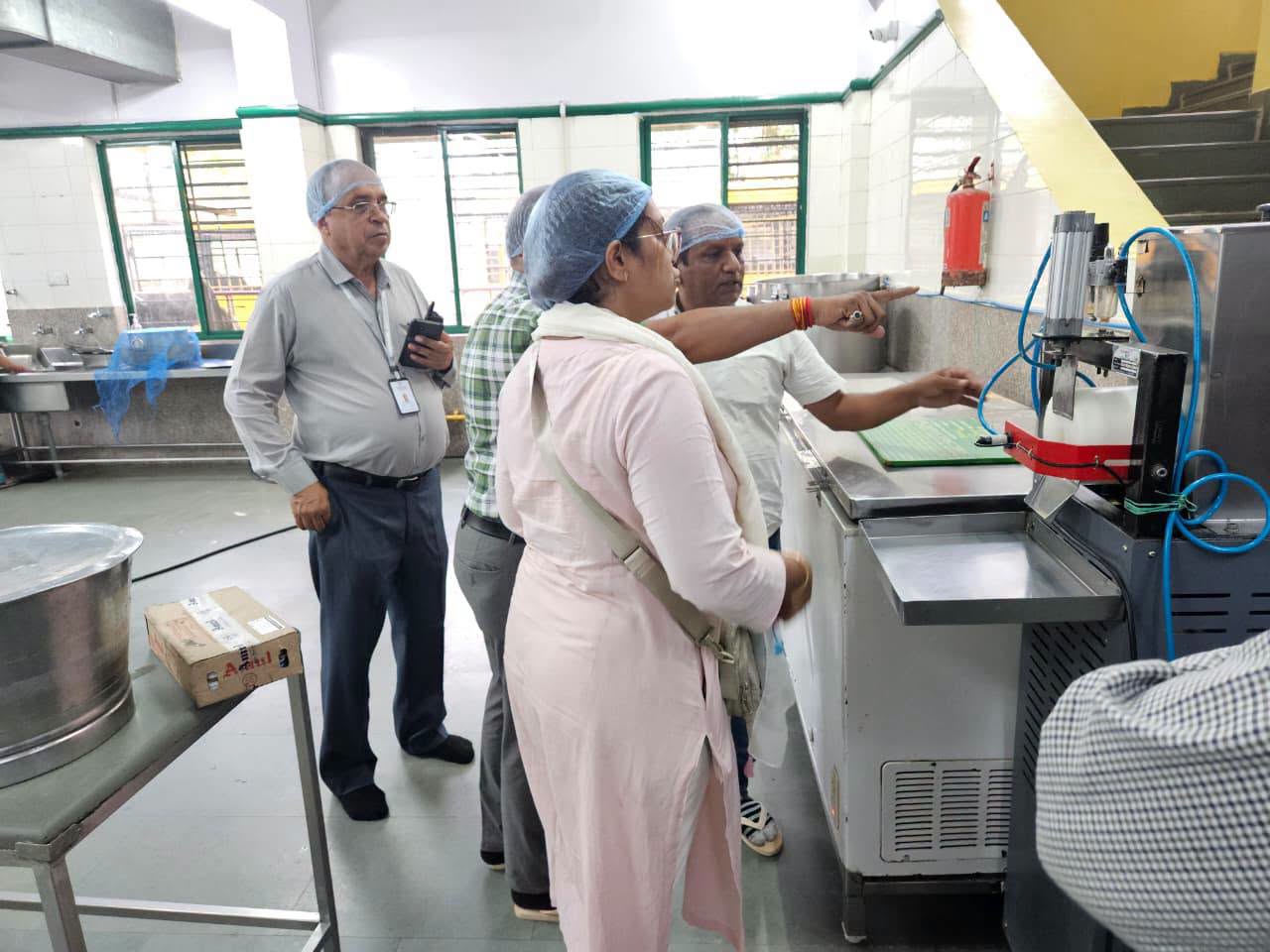
A school kitchen at Shishukunj School’s Jhalaria Campus in Indore gets sealed.
The reasons?
Expired spices. Food safety irregularities. Complaints from parents about children falling ill.
At one level, it is an administrative action. At another, it is a wake-up call.
Because this incident is not merely about what was found inside one kitchen. It is about the trust that thousands of parents place in educational institutions every single day. Every morning, parents send their children to school believing that they will be educated, protected, and cared for. They trust schools not only with their children’s academic future but also with their well-being.
When questions arise about food safety inside a school campus, that trust comes under scrutiny.
Are We Prioritizing Appearances Over Essentials?
Modern education has become increasingly premium. Parents spend significant amounts on school fees. Educational institutions showcase air-conditioned classrooms, smart boards, digital learning systems, international curricula, advanced infrastructure, and world-class facilities.
All of these are important.
But there is a fundamental question that often goes unasked:
What value do these facilities hold if safe food cannot be guaranteed?
For a child, a nutritious and safe meal is more important than the most advanced classroom technology.
No digital innovation can compensate for a failure in basic care.
The Contradiction We Ignore
Schools regularly teach children about healthy eating habits. They organize nutrition awareness programs. They conduct projects on balanced diets and healthy lifestyles. Yet, when expired food ingredients are reportedly found in a school kitchen, a troubling contradiction emerges.
It is not merely an operational lapse. It is a failure to uphold the very values being taught inside classrooms. Educational institutions are expected to lead by example. When there is a gap between what is taught and what is practiced, credibility suffers.
A Larger Question Beyond One School
Perhaps the most important lesson from this incident is that it should not be viewed as an isolated case. Instead, it should encourage a larger conversation about accountability across schools, hostels, canteens, and educational campuses.
When parents choose schools, they often evaluate:
- Infrastructure
- Academic performance
- Brand reputation
- Co-curricular opportunities
- Campus facilities
But how often do they ask:
- When was the kitchen last audited?
- Who monitors food quality?
- How frequently is drinking water tested?
- What food safety standards are followed?
- How are expiry dates monitored?
These questions may not feature prominently in admission brochures, but they directly impact children’s health and safety.
The Need for a New Evaluation Standard
Educational excellence should not be measured solely through examination results and infrastructure. Schools should also be evaluated on:
- Food safety
- Hygiene standards
- Health protocols
- Transparency
- Accountability
Because a school’s true quality is not reflected only in its rankings or marketing campaigns. It is reflected in how responsibly it cares for the children entrusted to it.
Action Must Be Preventive, Not Reactive
The administration’s action deserves appreciation. Swift inspections and accountability are necessary. However, the larger goal should be prevention rather than reaction. The question is not only what was found in one institution. The question is how many schools, hostels, mess facilities, and canteens are inspected only after complaints emerge. Why do systems often become active only after children fall ill?
Food safety cannot depend solely on complaints. It must be built into the culture of educational institutions.
Trust Is the Most Important Report Card
Children’s safety is not an additional feature. It is not a premium service. It is the most basic responsibility of any educational institution. A school may produce excellent academic results. It may have outstanding infrastructure. It may enjoy a strong reputation. But if it cannot guarantee the safety of the food served to children, it must revisit its priorities. Perhaps the biggest lesson from this incident is that schools need more than academic audits. They need trust audits. Because when it comes to children, even a small lapse can become a very big failure. And in education, trust is the most valuable asset any institution possesses.
Indore Talk Media Network, Central India’s first MediaTech & Content Network, powered by the combined strength of WEB, APP, SOCIAL MEDIA and soon in PRINT.
Everything About Indore, Now on WEB | APP | SOCIAL MEDIA
READ. WATCH. CONNECT.
📲 Download Indore Talk App
📲 Follow us on Facebook | Instagram | YouTube | LinkedIn | X