


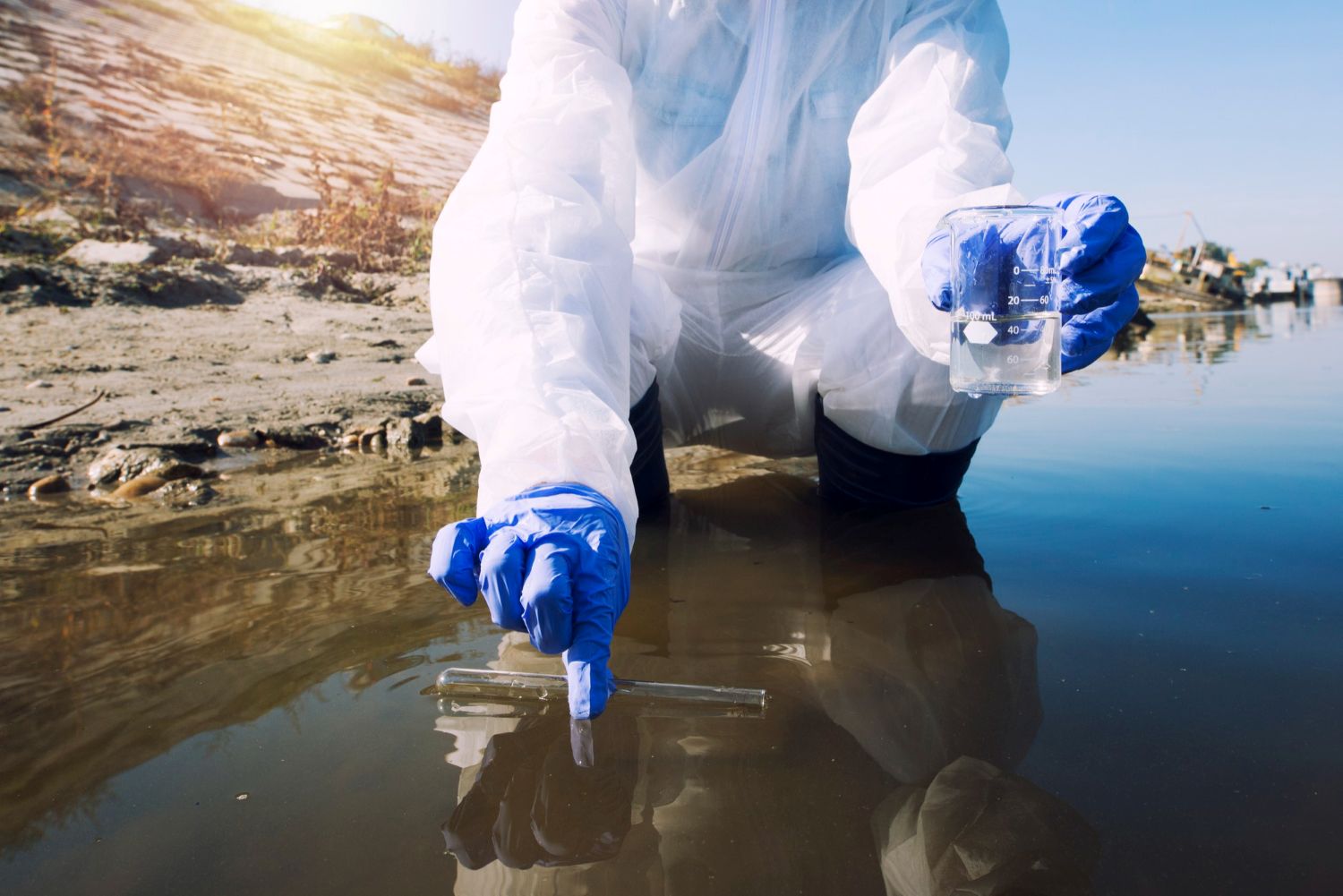
 The Gist: Indore has earned national recognition for its cleanliness, but an invisible environmental challenge is demanding equal attention. Reports and environmental investigations have raised concerns that industrial waste disposal and untreated effluents may be contaminating groundwater in and around several industrial areas of the city.
Localities including Sanwer Road, Palda, MR-10, Kumedi, Bardari, and nearby villages have reported deteriorating groundwater quality, bringing the issue of water safety and environmental accountability into sharp focus.
Key Highlights
 Groundwater contamination concerns have been reported around several industrial belts in Indore.
 Untreated industrial effluents are suspected to be contributing to groundwater pollution.
 The National Green Tribunal (NGT) has taken cognizance of reports related to groundwater quality.
 Some groundwater samples reportedly showed Total Dissolved Solids (TDS) levels exceeding recommended drinking standards.
 Experts have called for stricter industrial compliance, continuous monitoring, and stronger environmental enforcement.
Why It Matters
Clean roads can improve a city’s image. Clean groundwater protects its future.
Unlike visible pollution, groundwater contamination often goes unnoticed for years. By the time its effects become visible, restoring aquifers can take decades and require enormous public investment.
The Story
For nearly a decade, Indore has become synonymous with cleanliness.
Door-to-door waste collection, citizen participation, segregation at source, and scientific waste processing have transformed the city into India’s cleanliness benchmark.
But beneath this success story lies a question that deserves equal attention.
What about the water beneath our feet?
Reports from several industrial areas suggest that groundwater quality has deteriorated over time, with residents complaining about foul-smelling water, discoloration, and declining suitability of borewell water for daily use.
Environmental investigations have pointed towards the possibility that untreated industrial discharge and chemical effluents may have gradually seeped into underground aquifers over the years.
The issue gained national attention after the National Green Tribunal (NGT) took cognizance of reports highlighting contamination in groundwater samples collected near industrial clusters. Some reports indicated elevated TDS levels, suggesting that water quality in certain locations may no longer meet desirable standards for drinking without adequate treatment.
While scientific investigations continue and responsibility must ultimately be determined through due regulatory and legal processes, the concerns highlight a larger environmental reality.
Groundwater pollution is among the most difficult environmental problems to reverse.
Unlike surface waste, contaminated aquifers cannot simply be cleaned overnight. Pollutants may remain underground for years, affecting drinking water, agriculture, ecosystems, and public health long after the original contamination occurs.
Environmental experts caution that prolonged exposure to contaminated groundwater may increase the risk of skin ailments, gastrointestinal illnesses, and other health concerns. At the same time, authorities have intensified inspections and taken action against several industries for alleged violations of environmental norms, signaling that regulatory enforcement is receiving greater attention.
However, enforcement alone cannot solve the problem.
Long-term groundwater security will require stronger industrial compliance, modern effluent treatment systems, real-time groundwater monitoring, transparent public reporting, and continuous environmental audits.
As Indore continues expanding through new industrial corridors and urban development, protecting underground water resources must become as important as building roads, metro lines, and housing projects.
 Indore Talk Take
Indore has taught India how to manage visible waste.
Perhaps the city’s next environmental mission is to protect what cannot be seen.
Groundwater is one of our most valuable natural assets. Once contaminated, it is far more expensive and often far more difficult—to restore than to protect. Sustainable urban development cannot be measured only by clean streets and high Swachh Survekshan rankings. It must also be measured by the quality of the air we breathe, the rivers we protect, and the water flowing beneath our cities.
If Indore aspires to become one of India’s most liveable metropolitan cities, environmental governance must move beyond cleanliness towards ecological sustainability. Because a truly clean city is not just one where garbage is collected, it is one where every generation can safely drink the water beneath its soil.
 Indore Talk | Beyond the Headlines, Into the City’s Story
Bringing you the developments, debates, and decisions shaping the future of Indore.